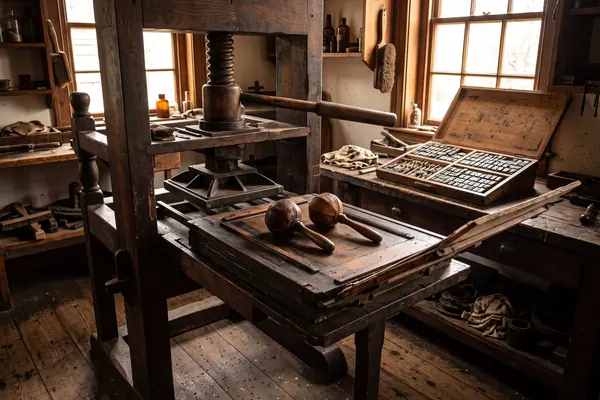
1557 · THE REGISTER
A guild keeps the list
A royal charter of 1557 gave the Stationers' Company control of printing, the right to seize pirated works and to register new titles. That register laid the foundations of copyright.
Where it began doodlepublisher
00A SHORT HISTORY OF BOOK RIGHTS

A book's protection has always had a clock on it.
Printers once guarded titles through a London guild's register. Parliament set the first time limit in 1710, and the clock has been wound longer ever since. Here is how it grew, and what it means for reusing an old text today.
Check a book01Principles
02THE SHORT ANSWER
From a guild's register to an Act of Parliament,
each step set how long a text stays owned.
1557 · THE REGISTER
A royal charter of 1557 gave the Stationers' Company control of printing, the right to seize pirated works and to register new titles. That register laid the foundations of copyright.
Where it began1710 · THE STATUTE OF ANNE
The first copyright Act gave registered books 14 years' protection, and 14 more if the author was still alive, ending the idea that rights in a book last forever.
See the numbersTODAY · LIFE PLUS 70
A written work is now protected until 70 years after the author's death. A publisher's page layout has its own right for 25 years from first publication.
Check a book03A QUICK BOOK CHECK
Pick a kind of book to see what the UK Intellectual Property Office's notice says about how long its protection lasts. The bar shows how much of it is still likely to be protected.
Based on the UK Intellectual Property Office copyright notice on duration of copyright. General information, not legal advice: only a court can give a conclusive view.
04TWO NUMBERS, THREE CENTURIES APART
The first statutory term for a new book,
and the general term for a written work today.
14 years
First term for a new book
Plus a further 14 years if the author was still alive at the end of the first term. Books already in print got a single 21-year term.
1710 · STATUTE OF ANNE
70 years
Written works, after the author's death
The Berne Convention minimum is the author's life plus 50 years; the UK, like the EU, US, Japan and Australia, gives longer, generally around 70 years after death.
TODAY · UK IPO
In between, the Copyright Law Amendment Act 1842 gave authors their first protection after death: life plus seven years, or 42 years from first publication, whichever was longer.
05BEFORE YOU REPRINT AN OLD BOOK
Reprinting, quoting or adapting an old text? These are the points the IPO's notice works through. It is general guidance, not a substitute for legal advice.
For most written works the date of death is what matters: protection lasts until 70 years after it, whatever the book's fame.
Writing still unpublished at the end of 1988 by an author who died before 1969 is protected until 31 December 2039.
New notes, illustrations and translations carry their own rights, and a recent edition's typographical arrangement is protected for 25 years from first publication.
The IPO's copyright enquiries service gives general advice on current UK copyright law, though it cannot give legal advice on a specific case.
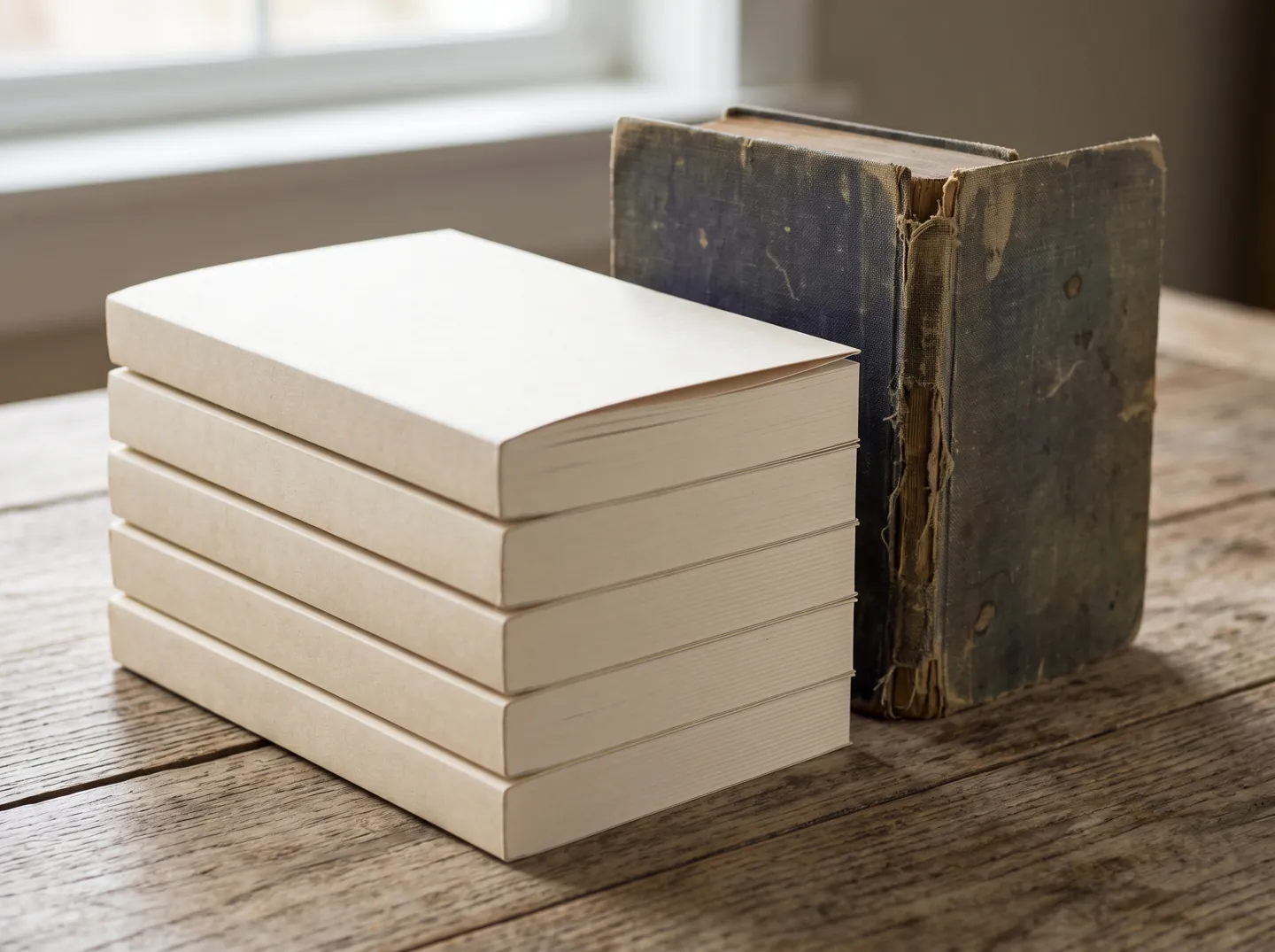
06WHERE IT BEGAN
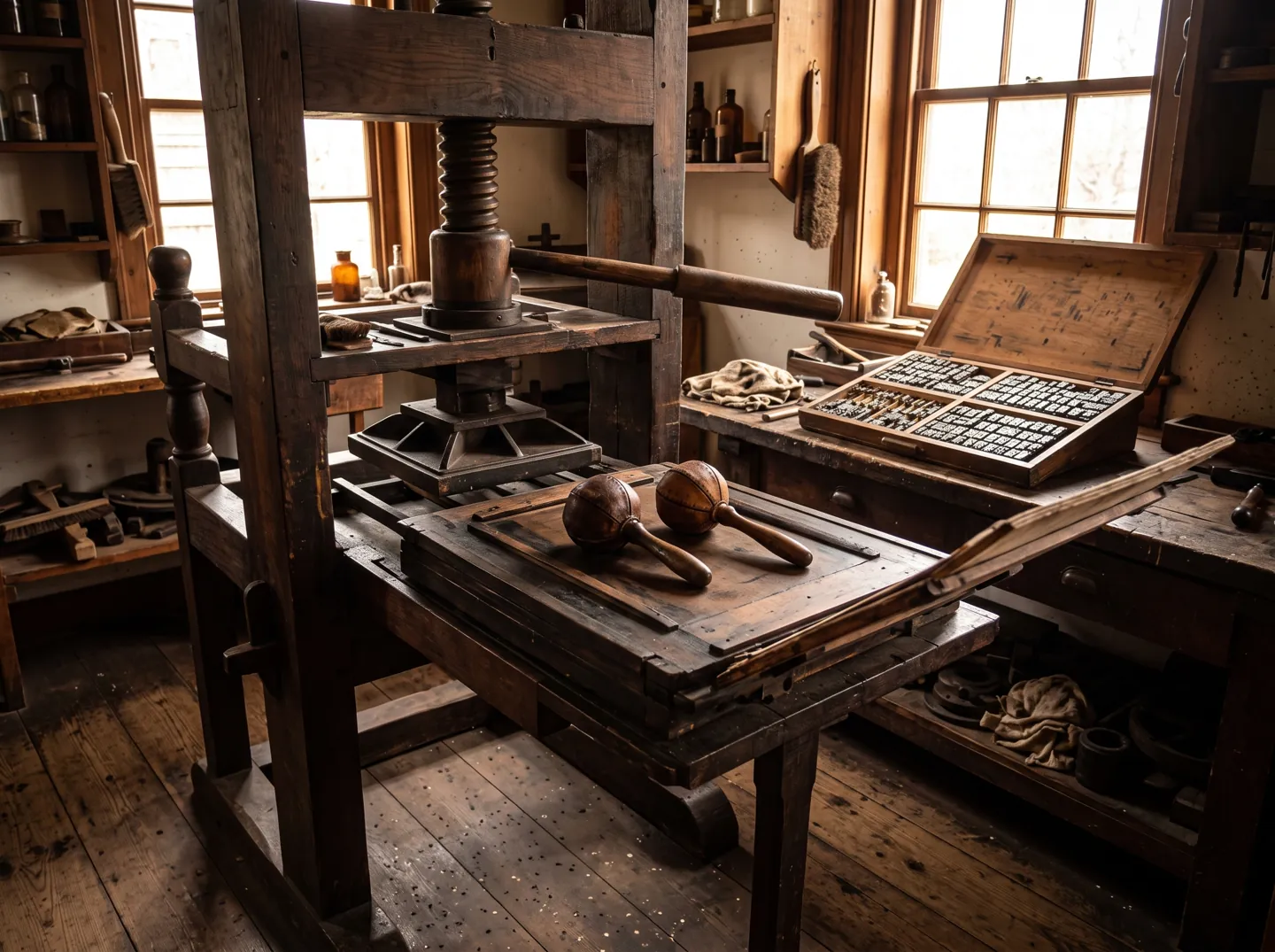
In 1403 the City of London approved a Guild of Stationers for the book trades: copyists, decorators, binders and sellers of writing materials. After Caxton brought printing to England in 1476, Mary I and Philip II gave the Company a royal charter in 1557 to control printing and register new titles.
On 12 December 1610 the Stationers agreed to send 'one perfect Booke' of every registered title to Sir Thomas Bodley's new library in Oxford. That agreement eventually gave rise to legal deposit, under which a copy of every UK and Irish publication goes to designated libraries.
07Questions
Passed in 1710, it was the first English copyright statute, 'An Act for the Encouragement of Learning'. It gave books registered with the Stationers' Company 14 years' protection, with 14 more if the author was still alive.
The Statute of Anne set time limits, but the courts went on debating a common law right beyond them. In Donaldson v Becket (1774), the House of Lords' first decision on copyright, the statute's limited terms prevailed.
With the Copyright Law Amendment Act 1842: the author's life plus seven years, or 42 years from first publication, whichever was longer. Today it is generally 70 years after death.
No, says the IPO. A new edition's notes, illustrations or translation can have their own copyright, and its layout is protected for 25 years, but the unchanged old text stays free.
Yes. Peter Pan's copyright expired in 1987, but since 1988 Great Ormond Street Hospital has had a perpetual right to royalties for the play. The right to print the 1611 King James Bible is licensed by the Crown.
08Sources
ABOUT THIS NAME
doodlepublisher.com is part of the DoodleSale portfolio. It isn't in an auction right now, but you can ask about leasing it.